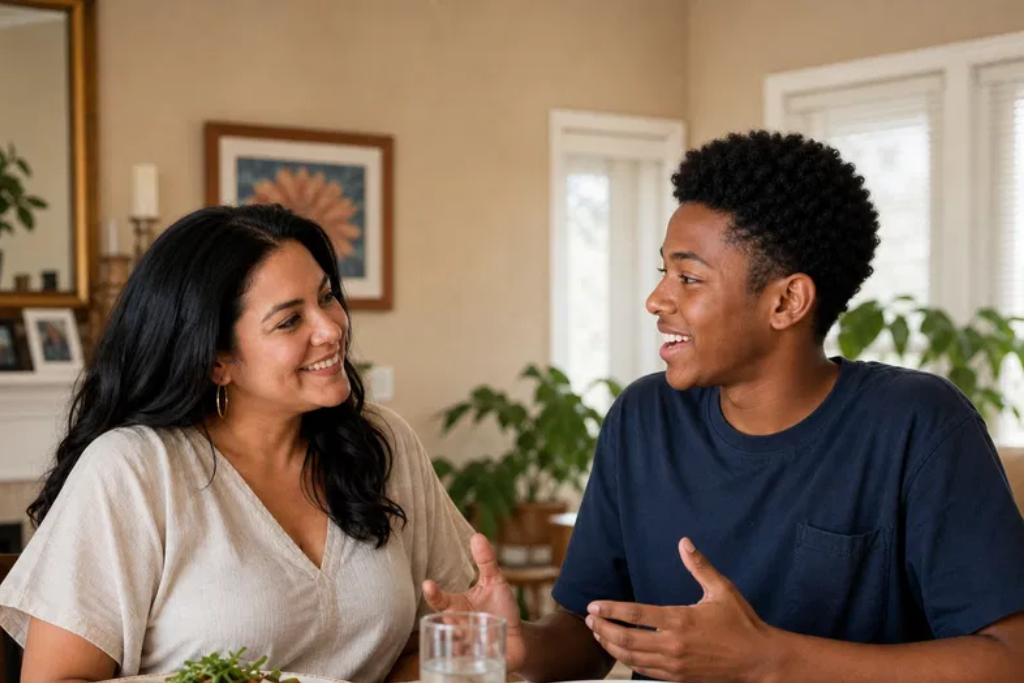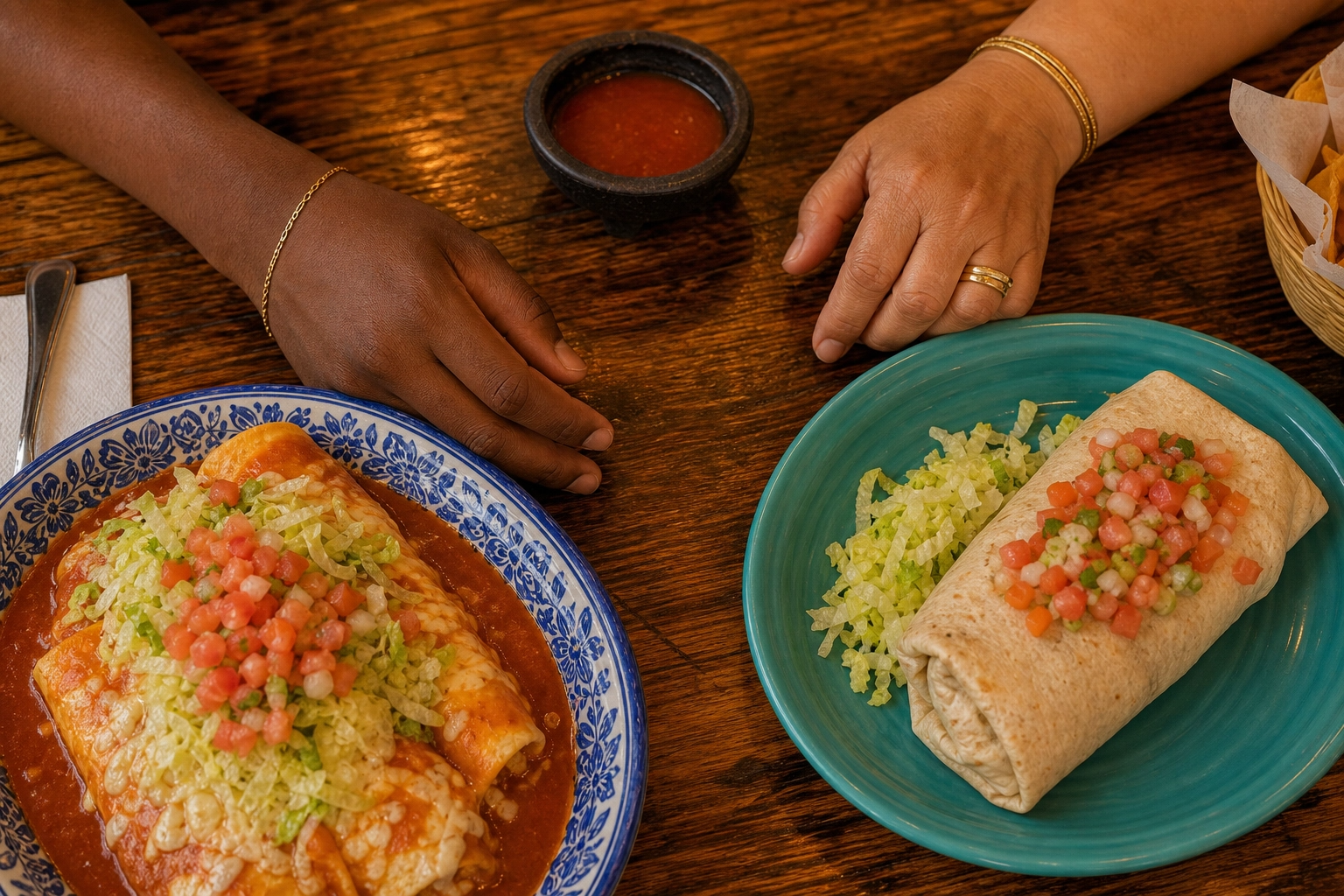
I took the first bite of my enchilada and before I said anything my son burst into tears. I asked, “Honey, what is wrong?” He sobbed, “This day is going horrible. First, I had a fit before we got here and now you hate your enchilada. I just want to go home, Mommy.”
The funny thing is, even though I had not said a word, he was right. My food was disappointingly cold. Not lukewarm like it sat on the counter too long. Cold like it just came out of the fridge. He read my actions after my brain registered a problem but before I even had words to describe it.
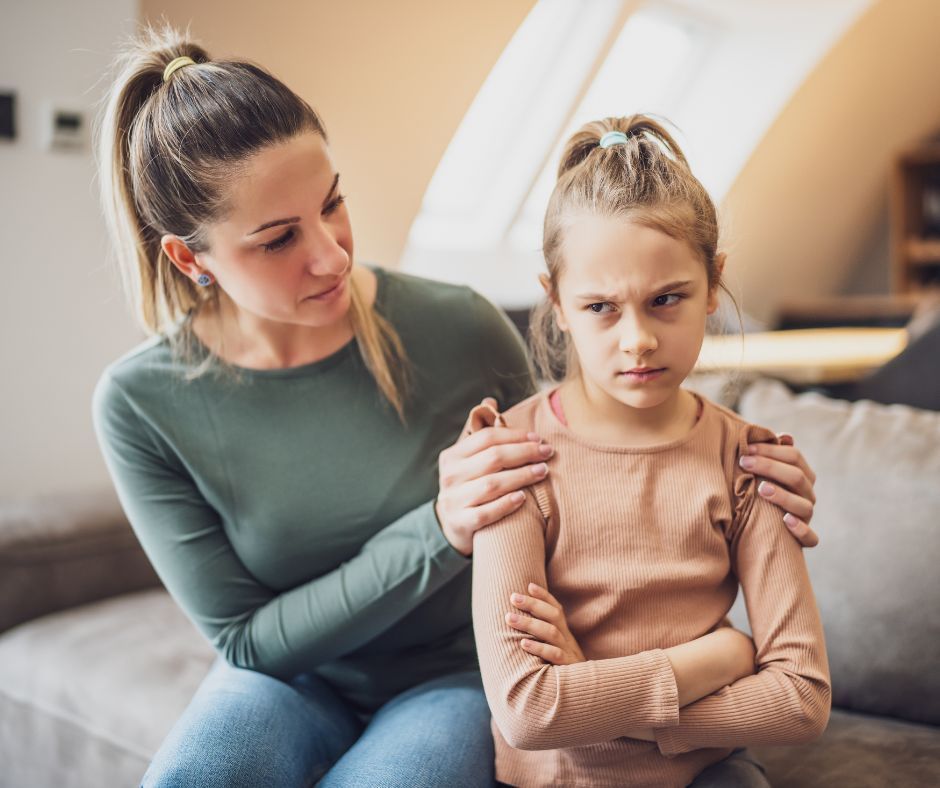
Kids are fluent in behavior. Your behavior. When our behavior does not match the message of our verbal communication, children will always listen to the action-based message. If you parent a trauma-impacted child, you see this play out daily. It is not defiance. It is how their brain protects them.
Think of behavior as a first language. Words are a beautiful second language that takes time, safety, and repetition to master. The nervous system is a speed reader. It scans for what is observable and repeatable. It trusts patterns more than promises.
Here is why that matters. When you say, “You are safe,” but your jaw is tight, your pace is fast, and routines change often, your child’s body hears danger. When you say, “We can talk,” but you problem-solve quickly or correct mid-sentence, your child learns that talking equals fixing, not safety. When you set a rule and then negotiate it down every time, the rule becomes a moving target. Their brain updates the file to, “Rules float.”
This is not a character flaw. It is neurobiology doing its job. A brain shaped by stress learns to prioritize signals that have kept it alive. Tone. Posture. Proximity. Predictability. These are high-priority data. Words without matching action are low-priority data. They get filed under marketing, not operations.
Here is another thing. We can often trust behavior to tell us the truth, while words are sometimes vague or mismatched. The phrase “I am fine” can mean ten different things depending on context and state of mind. Our kids find their safety by observing, not only by listening.
So what do we do as parents? We bring our actions and our words back into alignment. Not perfectly. Predictably. Consistency does not mean rigidity. It means the same message shows up over and over in a way that the body can anticipate.