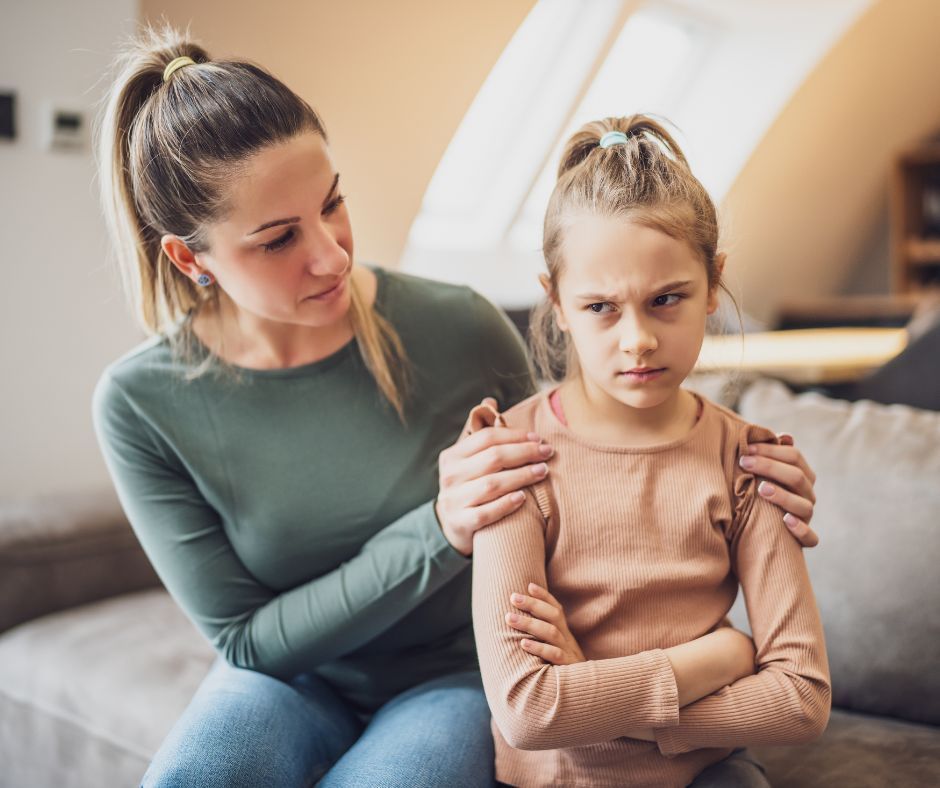
There are sentences I wish no parent ever had to say out loud. Out-of-home placement is one of them. If you are here, you are already standing in a hard hallway. Please hear me. Choosing a higher level of care is not giving up. It is acknowledging that your child needs more support than you can safely provide at home. Sometimes the most loving thing you can do is get help.
I work with families who have tried everything. They have shifted schools, pursued 504s and IEPs, negotiated with teachers, and even changed districts. They have driven farther than anyone they know to put their child in settings where success felt possible. They have eliminated screens to make room for play, structured the day for connection, and sat in parking lots during therapy. They have done their own internal work to lower expectations, regulate, repair, and see the child behind the behavior. And still, some kids cannot or will not be parented at home. Some cannot be kept safe. Some are harming themselves or others. When that is the reality, placement becomes not a failure but the only responsible choice.
When I sit with parents, I ask a question that cuts through fear and guilt. What decision would you make if every single member of your family had equal importance? Not just the loudest one. Not just the child whose needs consume the air. Everyone. The toddler who hides in her room when her brother rages. The middle schooler who flinches when doors slam. The parent who cries in the car between work and home. Your safety matters too.
I teach kids that they have a few essential jobs: to learn, to connect, and to play. Each of these grows the brain in different ways. If a child has stopped learning despite major accommodations, stopped connecting despite relentless efforts, and stopped playing despite our best invitations, that is alarming. I am not talking about a bad month. I am talking about a pattern that persists after we have tried every lower-level intervention.
Learning: You set up 504s and IEPs, collaborated with teachers, found the right classroom, and even moved schools more than once. You held firm but kind boundaries at home. You modeled respect. Yet your child remains dysregulated or unwilling to learn from any instructor. Walls have holes. Homework is shredded. Lessons do not stick.
Connecting: You worked with specialists on attachment and co-regulation. You committed to techniques and gave them time. You created social groups and facilitated friendships, only to watch your child sabotage them or refuse to go. You checked your own lens so you were not rejecting the child for being who they are. Still, connection slides off.
Playing: You opened space in the day for play. You removed electronics. You provided materials and freedom for exploration. Instead of play you saw destruction, rumination, risky behavior. While other kids built forts at a party, yours found fire in the bathroom sink or snuck away for sex or drugs.
And then there is safety. Every person in a home deserves physical, sexual, and emotional safety. Siblings should not fear their belongings will be stolen or destroyed. They should not fear being seriously harmed or falsely accused. Parents should not live under the threat of DCS because a teen weaponizes reports. Sexual boundaries must be clear. A sixteen-year-old who touches an eleven-year-old sibling needs to leave immediately. Curiosity in a thirteen-year-old can be coached. Predation cannot. Emotionally, some level of teenage sass is normal. Chronic, contemptuous abuse that leaves everyone walking on eggshells is not. If safety dissolves, we have to act.
Families cannot change static risk factors like in-utero exposure, age of first drug use, or past trauma. We can pour energy into dynamic risk factors. Where we live. Who we let influence our child. Whether the phone stays. Whether we hand over cash that we know becomes drugs. Whether the teen has a license. These levers matter. Sometimes using them buys time. Sometimes it still is not enough.
I wish I could promise that the juvenile system will help a child grow. It usually does not. Juvenile detention often makes kids worse. If an out-of-home placement is on the table, I would rather parents retain as much agency as possible. Research programs. Visit facilities. Ask about staff training, restraints, school, and family therapy. Keep the wheel in your hands for as long as you can.
Out-of-home options exist on a continuum. Short-term respite gives exhausted caregivers a break so they can stay in the ring. Acute inpatient psychiatric care stabilizes a crisis, often for a week or two, with medical oversight and medication management. Therapeutic foster care offers a family setting with added structure and training. Boarding schools can work for some kids who are not dangerous but need firm structure. Therapeutic boarding schools and short-term residential treatment centers add 24/7 supervision, therapy, and on-site schooling. Psychiatric residential facilities provide medical-model care for severe mental illness. Specialized sexual behavior programs create constant supervision and focused treatment when safety has been breached. Wilderness programs can help some oppositional teens reset, although they are expensive and not for severe illness. Independent living programs help older teens practice adulthood with support. None of these paths are easy. All of them are tools.
Deciding requires honest reflection. Can I keep everyone in my home physically and emotionally safe right now. Is my child’s trauma response beyond what outpatient therapy can address. What is this doing to my other children. If we continue as we are, what will next year look like. Have professionals recommended a higher level of care. Is proving that I can do this at home more important than getting my child the help they need to grow.