When Vulnerability and Technology Collide

Melody Aguayo • April 24, 2026

If you have ever looked at your child glued to a screen and thought, “This thing has tractor beams,” you are not wrong. For many kids, especially those shaped by early adversity, digital tech offers quick relief. Fast rewards. Instant connection. Which can feel like a warm blanket on a cold day. The problem is that blanket sometimes catches fire.


Here is the big idea in plain English. Early adversity changes the developing brain. Loneliness, chaos, and unmet needs can wire kids for hyper-alertness and quick-reward seeking. Enter modern tech. Bright colors, endless scroll, likes on tap. For vulnerable brains, that can feel like oxygen. Over time, heavy tech use can strengthen reward pathways and attention to novelty, while self-regulation systems get less practice. Toss in late-night screens and poor sleep and you have the Early Adversity–Technology Spiral. Early adversity makes screens extra sticky. Sticky screens make regulation harder. Round and round.


This is not a destiny. It is a pattern. And patterns can be changed.


Zoom out and the numbers are sobering. Most kids worldwide experience at least one form of adversity. Many face violence, instability, or deprivation. These experiences do not seal a child’s fate, but they do create vulnerabilities. In research surveying adults and caregivers, higher levels of early adversity were linked with more problematic tech use later. Not just more hours. More difficulty stopping. More interference with sleep, school, and relationships. Other large datasets show similar patterns. Earlier smartphones, poorer mental health, and the effect is worse for those with adversity histories. The point is not to panic. The point is to plan.


So, what do we do between two unhelpful extremes? We install guardrails.


The total ban is like shutting the highway and expecting no one to need to travel. Zero crashes today, but no skills tomorrow. The free-for-all is like tossing the keys to a brand-new driver on an icy road at night and saying, “Good luck.” Guardrails give freedom to move with protections where the drops are steep. We still drive. We just do not pretend the cliff is not there.


In practice, here is how to interrupt the spiral and build good guardrails.


  • Prioritize regulation over restriction. Calm drivers make better choices. Anchor sleep first. Screens off 60 minutes before bed. Blue light off. Devices out of bedrooms. Protect the body and you protect the brain.
  • Choose routes with purpose. Favor tech that creates, connects, or solves a problem. Video call Grandma. Record a song. Edit photos. Research a recipe. Less slot machine, more toolbox.
  • Co-drive big moments. If your child connects with birth family or online friends, preview, support, and debrief. Predictability is your seatbelt. After contact, land the plane. Snack. Movement. Then talk.
  • Put up visibility and barriers. Filters and accountability are not a lack of trust. They are concrete barriers on sharp turns. Devices in shared spaces. Adults know passwords. Ownership is a privilege, not a right.
  • Match keys to readiness. Not everyone gets the same car at the same age. Consider impulse control, honesty, and follow-through. Permit first. Licensure later.
  • Teach the rules of the road. Kids do not magically know how to spot grooming or ignore a ping while doing homework. Model it. Practice it. Short drills. Often. Boring on purpose.
  • Start where you are. If you already handed over the keys, it is not too late to add guardrails. Reset together. Admit what you would do differently now. Make a new route. Drive it for two weeks. Adjust.


Say it with me. Structure plus nurture plus practice. That is how we break the spiral.


Practical next steps this week

  • Sleep first: Devices dock in the kitchen at 8 p.m. Print a simple wind-down routine. Protect 9 hours.
  • Create-before-consume rule: For every 30 minutes of creative or connection tech, then 15 minutes of entertainment.
  • Family transparency: Adults and kids share where devices charge, who has passwords, and what filters are on. No secrets. Lots of safety.
  • Weekly debrief: 10 minutes on Sunday. What tech helped you feel connected or proud. What felt sticky or yucky. One tweak for next week.
  • Be very clear that you can change the tech rules at any time based on regulation, compliance or balance. 


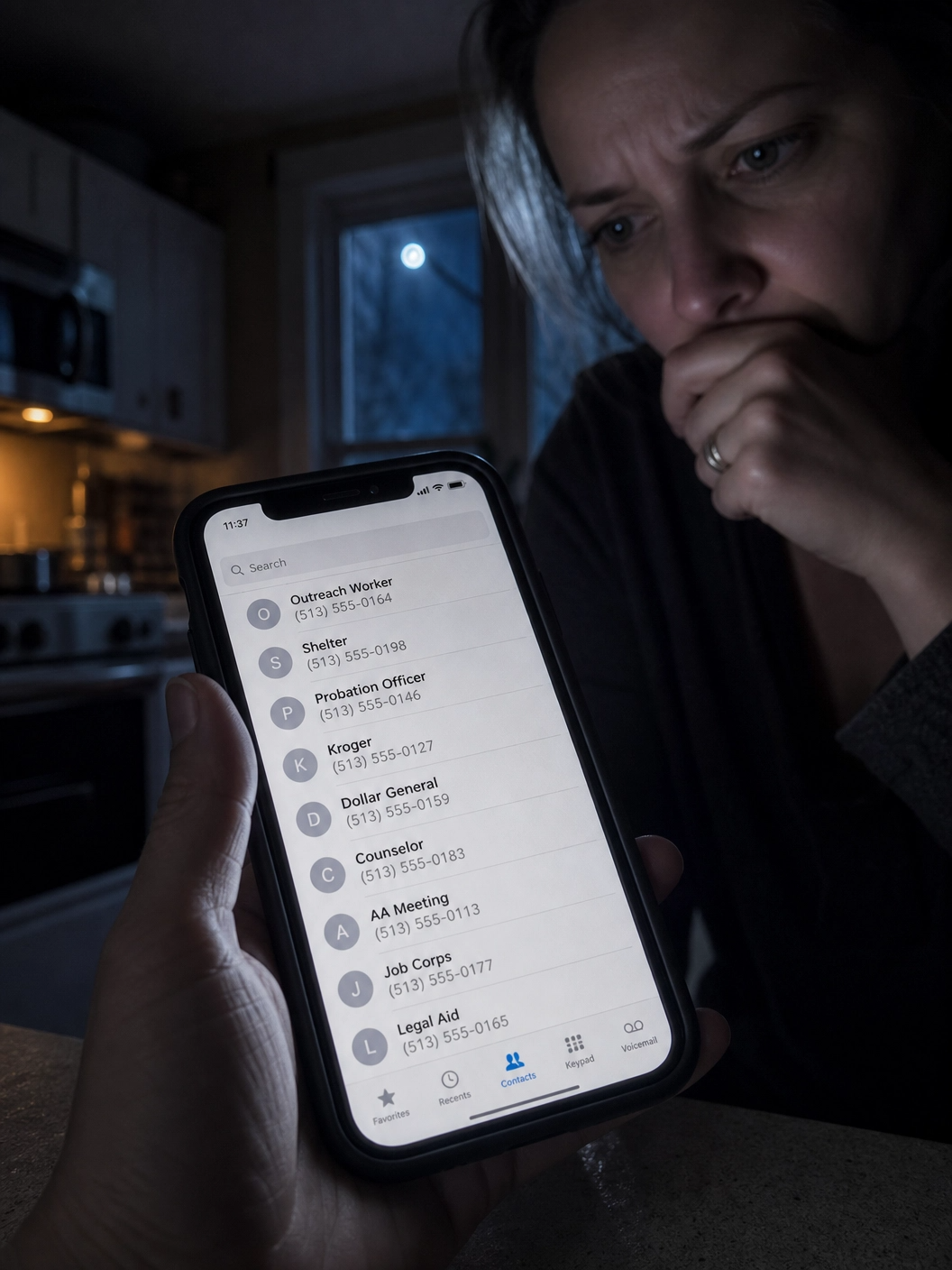
a cluttered smartphone screen showing many contact names and numbers labeled like outreach workers..
By Melody Aguayo May 19, 2026
I used to have a phone full of my son. Not pictures, though I had those too. I mean contact entries. Numbers stacked like Jenga blocks. Street outreach workers and shelter phone numbers. A friend who spotted him on the corner by the Kroger. The officers who understood that turning him in was not betrayal.
mom holding toll ticket
By Melody Aguayo April 30, 2026
Today I got a ticket. I earned it. I sailed past a toll pay station, waved politely at the camera, and kept driving. I did the math in my head. Pay now and fumble with directions or pay later and keep my brain online.
Parenting From a Distance
By Melody Aguayo April 13, 2026
There are sentences I wish no parent ever had to say out loud. Out-of-home placement is one of them. If you are here, you are already standing in a hard hallway. Please hear me.
As a parent, I have spent years being afraid
By Melody Aguayo December 19, 2025
As a parent, I have spent years being afraid. Too much of my parenting was driven by fear—shaping my decisions, tightening my grip, and setting the emotional thermostat of our home. I didn’t know how to stop being afraid, because the things other parents only worried might happen? They were actually happening to our c
navigating a labyrinth without a map
By Melody Aguayo December 12, 2025
Parenting or teaching trauma-impacted children can feel like navigating a labyrinth without a map. The behaviors we see are often confusing, frustrating, or overwhelming—and it’s tempting to assume that these kids are acting out on purpose.
Children who come from early adversity or chronic stress
By Melody Aguayo December 5, 2025
Children who come from early adversity or chronic stress grow up in environments where their nervous systems are constantly trying to survive. Because of this, they receive a steady stream of confusing, conflicting messages—messages that shape how they see themselves long before they can put words to the pain.
A hug from a tired mom
By Melody Aguayo November 27, 2025
“I know it sounds ridiculous,” she said softly, “but I worry about everything.” A mom with tired eyes sat across from me, explaining why she refused to leave her child with anyone—even for a moment of respite.
By Melody Aguayo November 21, 2025
“I know it sounds ridiculous,” she said softly, “but I worry about everything.” A mom with tired eyes sat across from me, explaining why she refused to leave her child with anyone—even for a moment of respite.
Parenting and Adoption Trauma
By Melody Aguayo November 14, 2025
Even God Wanted a Peaceful Home My husband loves peace. When we first got married, I wondered what on earth was wrong with him. It was like he just refused to argue with me. I think it was partly my age (19) and partly my personality, but I actually enjoyed a bit of conflict here and there. If someone offend
Understanding and Supporting School Refusal
By Melody Aguayo October 24, 2025
There’s a certain kind of panic that rises in a parent’s chest when their child begins refusing school. It starts with small things—complaints about stomachaches, missed assignments, growing resistance to waking up—and before you know it, the morning routine has become a daily battle.